Why ShincoFab Is a Trusted Name in Precision Sheet Metal Fabrication
In sheet metal fabrication, the quality of a metal fabrication service provider is evaluated by their ability to convert a drawing into a usable part without delays or errors. There are many suppliers out there capable of cutting metal, but there aren’t many able to maintain consistency across the various materials, batch sizes, and production methods. It’s in that gap that reliability enters the picture. ShincoFab has established itself on this expectation, providing real-world solutions to industries that need precise metal parts. Creating parts isn’t enough; controlling every step ensures the final product matches the original design.
A Long-Term Manufacturing Base
With practice, the way problems are addressed changes as experience gained in production increases. ShincoFab has handled projects of various sizes, ranging from prototypes to large batches. This exposure has helped fine-tune work planning from the beginning. Rather than processing all orders in the same manner, checks are conducted early to determine each order’s needs. This will eliminate confusion later on and contribute to a steady flow of products.
Stable Production Flow
A key reason for client retention is stable production, even when demand fluctuates. When multiple jobs run simultaneously, delays often occur in metal shops. ShincoFab’s production steps are organized so that work flows clearly from cutting to the end of the production line. This minimizes delays between stages and ensures consistent delivery schedules for clients that rely on timely delivery.
Material Handling Discipline
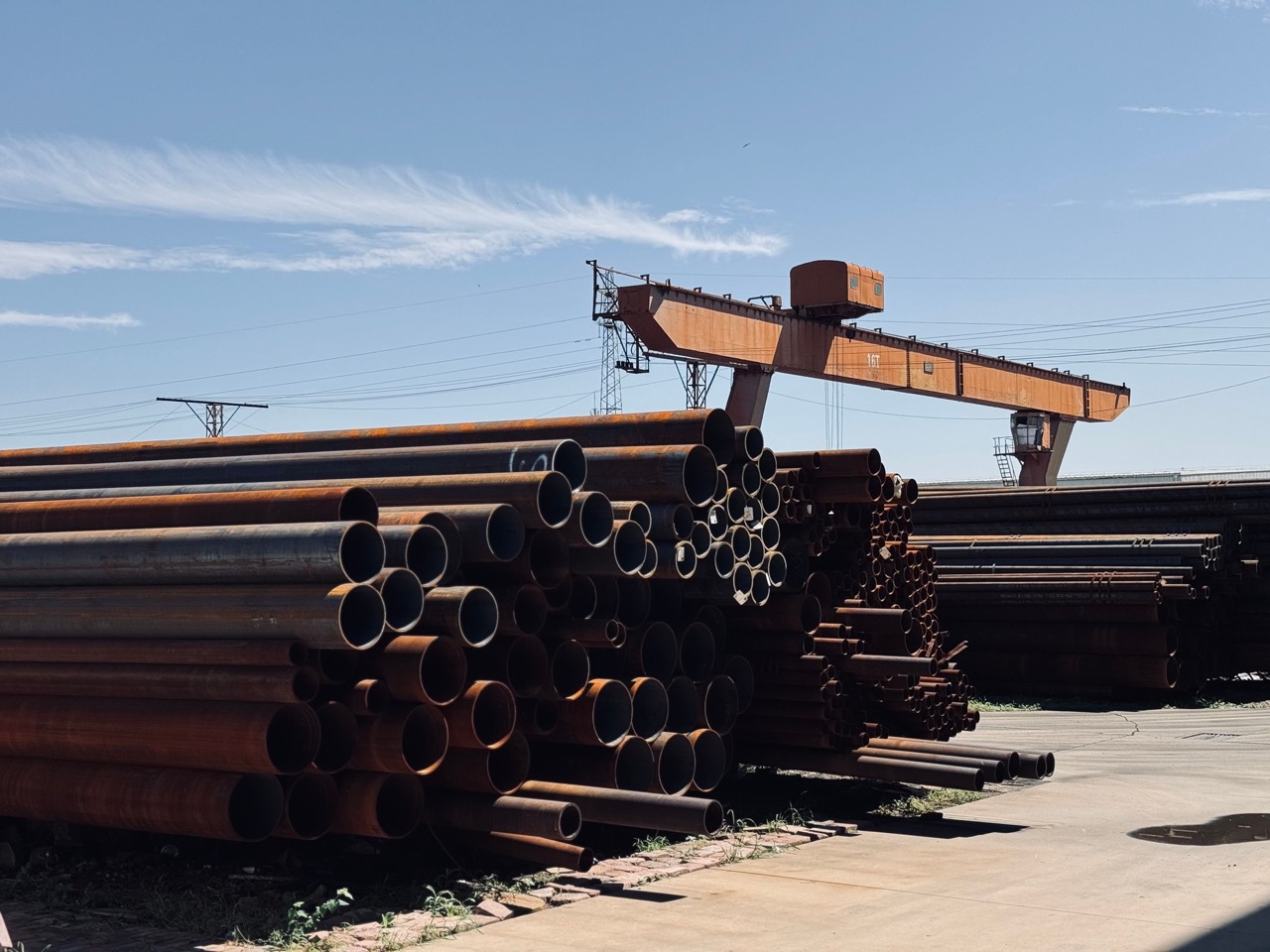
The behavior of metals varies from one to another in processing. Aluminum is easily bent, whereas stainless steel is more difficult to bend. Copper and steel are also not the same when subjected to heat and cutting pressure. ShincoFab tackles these differences by dividing its workflows by material type. This will prevent cross-contamination and help ensure that the surface is not damaged and that no cuts are made incorrectly. The goal is simple: treat each material according to its physical limits, not a general rule.
Cutting Accuracy and Control
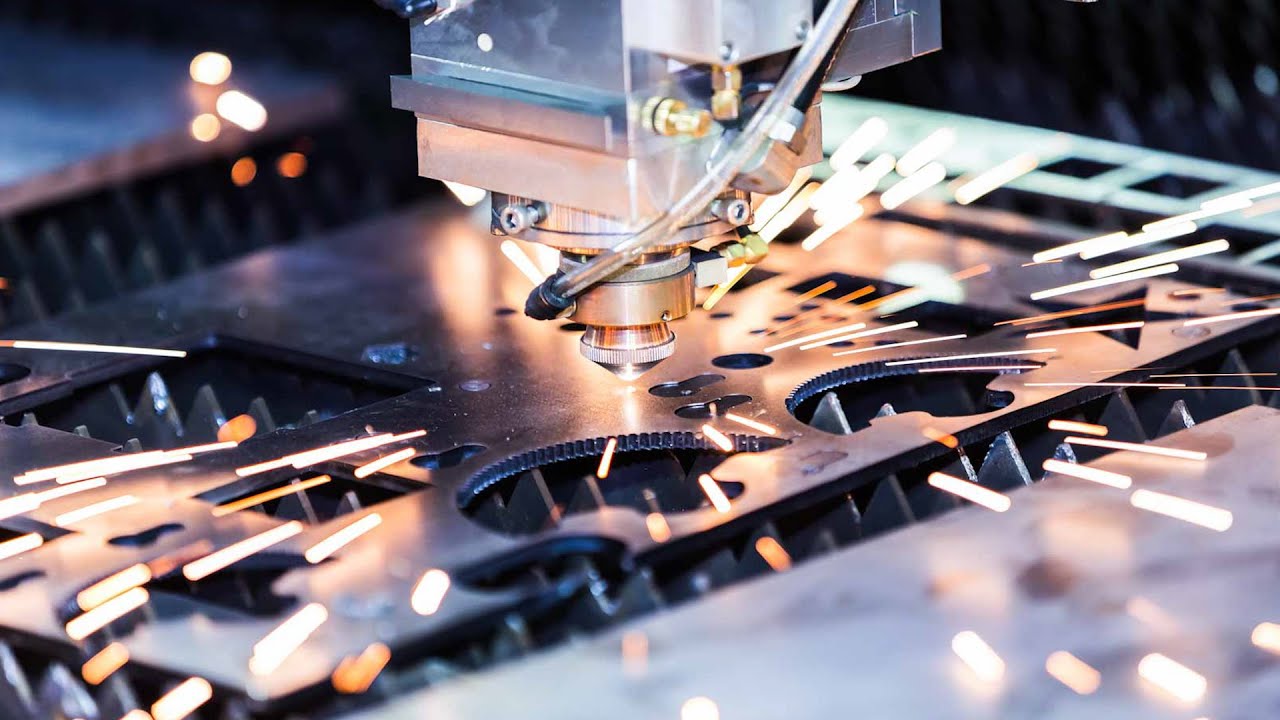
Cutting is the first step where precision becomes visible. Small errors here can affect every later stage of production. Clean edges and accurate shapes reduce rework and improve assembly fit. Laser cutting and other controlled methods are used to maintain consistent edge quality. The focus is not only on speed but also on maintaining shape accuracy across repeated runs. This helps ensure that parts produced weeks apart still match.
Forming and Shape Stability
After cutting, metal parts often need to be bent or shaped. If this stage is inconsistent, parts may not align during assembly. At ShincoFab, forming is handled with controlled pressure settings based on material thickness. This avoids over-bending or surface cracking. The goal is to keep the shapes stable so that the parts fit together without needing later adjustments.
Welding Without Distortion
Welding joins pieces into a single structure, but excessive heat can cause distortion if not managed properly. Uneven heat can bend metal or weaken joints. ShincoFab pays attention to heat distribution during welding to ensure joints remain strong without altering the part’s original shape. This step is especially important for assemblies that must fit into larger systems without rework.
Surface Finish Consistency
The surface of a metal part affects both appearance and durability. Rough or uneven finishes can lead to corrosion or a poor fit in mechanical systems. Different finishing methods are applied depending on the part’s use. Some parts need protective coatings, while others require smoother surfaces for visual or functional reasons. Consistency here helps ensure that parts perform well after installation.
Inspection Before Shipment
Before any part leaves the workshop, it undergoes checks to verify size, shape, and surface condition. These checks are not limited to final products; they are also used during production as needed. ShincoFab applies inspection steps to reduce the chance of defective parts reaching customers. This reduces delays caused by returns or rework and helps maintain trust in long-term supply relationships.
Design Support and Early Checks
Many production issues start from unclear or difficult designs. Early review of drawings can prevent problems before the material is even cut. Engineering input is used to identify areas where designs may cause manufacturing difficulty. Small changes can go a long way toward eliminating unnecessary waste while improving flow without affecting the part’s functionality.
Delivery and Order Handling
Order and delivery are sometimes as important as the parts themselves, especially if they delay a downstream manufacturing line. By using its scheduling process, ShincoFab ensures timely delivery. In doing so, parts will be ready on time, minimizing disruptions for clients who work under just-in-time delivery systems.
Conclusion
Sheet metal fabrication is not just about having reliable machines. The process relies on stability and quality control throughout. This is exemplified by ShincoFab’s practices, which emphasize workflow over individual steps. From cutting to forming, inspection, and delivery, each step is connected to the next. This connection enables ShincoFab to remain reliable for repeat clients seeking consistent products.